


Sustained generation performance continues to strengthen power system stability, driving long‑term energy security
Friday, 13 February 2026: South Africa’s power system continues to show sustained stability, supported by ongoing improvements in plant performance and the successful implementation of the Generation Recovery Plan. Over the past week, the national grid has remained reliable, with the Energy Availability Factor (EAF) continuing its upward trajectory and unplanned outages decreasing year‑on‑year. These gains have enabled Eskom to maintain a consistent supply without the use of diesel generation, contributing to stronger operational performance and long‑term energy security.
The Energy Availability Factor (EAF) has risen to 65.04% for the financial year to date (1 April 2025 to 12 February 2026), reflecting continued progress in restoring fleet reliability and strengthening overall system stability. Notably, the generation fleet has reached or exceeded the 70% EAF mark on 66 occasions so far over this timeframe (unaudited).
Between 06 and 12 February 2026, average unplanned outages measured 11 397MW, compared to 10 965MW during the same period last year, a slight increase of 432MW.
Over the same period, the Unplanned Capacity Loss Factor (UCLF), reflecting unplanned outages, was at 23.29%, representing a slight reduction of 0.40% compared to the 22.89% recorded during the same period last year.
During the same period, Eskom’s Planned Capacity Loss Factor (PCLF)—reflecting planned maintenance—rose to an average of 15.79%, up from 10.89% in the previous financial year. This increase aligns with Eskom’s maintenance strategy and demonstrates our commitment to improving plant reliability, strengthening operational stability, and supporting long‑term fleet performance.
The ongoing improvement in EAF has greatly reduced Eskom’s reliance on expensive diesel generation, enabling a stronger focus on more cost‑effective primary energy sources.
In addition, 3 181MW is currently in cold reserve due to excess capacity.
There was minimal diesel usage over the past week, mainly due to test runs conducted at the Ankerlig and Gourikwa power stations. Year to date (1 April 2025 until 12 February 2026), total diesel expenditure is now R4.88 billion lower than at the same time last year, reflecting substantial cost savings and continued improvements in operational performance driven by Eskom’s turnaround initiatives. Overall, this trend highlights the growing stability, efficiency, and resilience of the power system.
Year-to-date, diesel expenditure remains consistently below budget.
South Africa has now experienced 273 consecutive days without an interruption in supply, with only 26 hours of loadshedding recorded in April and May 2025, during this financial year.
To further ensure a stable electricity supply, Eskom will bring 2 429MW of generation capacity online ahead of the evening peak on Monday,16 February 2026. Evening peak demand is forecast at 23 542MW, with 27 350MW of available capacity, providing a healthy reserve margin above current demand.
Eskom published the Summer Outlook on 5 September 2025, covering the period 1 September 2025 to 31 March 2026, which projects no loadshedding due to sustained improvements in plant performance from the Generation Recovery Plan.
Key Performance Highlights
- For the financial year to date, the UCLF remained at 23.17%, reflecting a constant week-on-week performance and remaining well below last year’s 25.38%.
- For the financial year to date, planned maintenance was at an average of 5 349MW, accounting for 11.37% of total generation capacity, slightly less than last week’s 11.38% and lower than the 12.57% over the same period last year.
- Between 1 April 2025 and 12 February 2026, Eskom generated 1 049.70 GWh from OCGT plants at a diesel cost of R6.231 billion. This is significantly lower than the 1 825.19 GWh generated during the same period last year (1 April 2024 to 12 February 2025), which resulted in costs of R11.109 billion. This represents a 42.5% reduction in energy generated from OCGTs and a 43.9% decrease in diesel expenditure year-on-year. Notably, diesel usage has declined consistently month-on-month since May 2025, and the month-to-date load factor stands at 0.003%.
- The year-to-date OCGT load factor has further decreased to 4.03%, reflecting a 0.09% improvement from the previous week. This is lower than the 7.00% recorded during the same period last year and remains below the set target.
Progress in Ending Load Reduction: 151 429 customers no longer affected during peak periods.
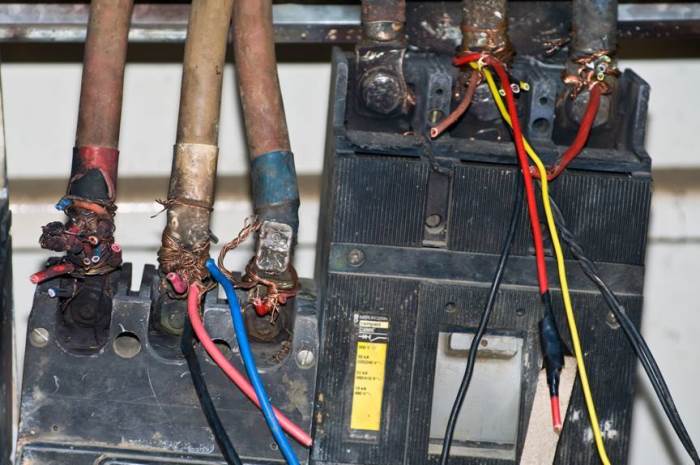
Although the power system remains stable and generation capacity continues to exceed demand, illegal connections and meter tampering persist, causing infrastructure damage and posing serious safety risks. In response, Eskom continues to implement load reduction as a temporary measure in high-risk areas to protect both communities and the electricity network.
To address these challenges sustainably, Eskom has launched a phased programme to eliminate load reduction by 2027. The programme targets 971 feeders and will benefit approximately 1.69 million customers across all provinces, out of Eskom’s total customer base of 7.2 million. Key interventions include the rollout of smart meters, the integration of Distributed Energy Resources, and the expansion of Free Basic Electricity support.
Progress on key interventions
- Smart Meter Rollout:
To date, Eskom has installed 319 811 smart meters nationwide, of which 113 070 (about 35%) have been deployed on load reduction feeders. These installations empower customers with greater visibility and control over their electricity consumption, support accurate billing, and significantly enhance the overall user experience.
Of the 113 070 smart meters installed on load reduction feeders, over 90% are concentrated in Gauteng, Mpumalanga, Limpopo and KwaZulu‑Natal, where network risk is highest.
The phased programme to eliminate load reduction programme targets the installation of 577 347 smart meters on load reduction feeders by March 2026, with full rollout on these feeders planned for completion in 2027. Current implementation represents approximately 19.58% of the total end‑state target.
The rollout is deliberately focused on high-loss areas affected by illegal connections, meter bypassing, overloaded infrastructure and widespread electricity theft. Eskom has undertaken extensive community and stakeholder engagement through ward councillors, public meetings, radio platforms and social media to support the implementation of the programme.
Despite these efforts, installation teams continue to face persistent resistance, including intimidation, violent incidents and repeated work stoppages. These disruptions have led to deployment delays, the redeployment of teams, and heightened safety risks for Eskom employees and contractors.
As a result, approximately 122 000 planned meter conversions have been delayed to date, undermining the stability and predictability of the rollout programme.
- Feeders Removed from Load Reduction:
The total number of feeders removed from load reduction is 119. This includes:
- 13 feeders in Limpopo and Mpumalanga (35% of the target of 37),
- 40 in Gauteng (32% of the target of 126),
- 9 in the Eastern and Western Cape (60% of the target of 15),
- 54 in Free State and KwaZulu-Natal (57% of the target of 94).
- 3 in the North West and Northern Cape (33% of the target of 9).
Nationally, the 119 feeders removed represent about 44% of the overall year-end target of 271 feeders to be removed from load reduction by March 2026.
- Customers benefiting from the elimination of the load reduction programme
With the feeders removed from load reduction to date, an estimated 151 429 customers are now benefiting, comprising 28 992 in Limpopo and Mpumalanga, 49 922 in Gauteng, 10 788 in the Eastern and Western Cape, 50 535 in KwaZulu-Natal and Free State and 11 192 in the North West and Northern Cape. The remaining customers still due for load‑reduction removal by financial year‑end are 205 344 in both Limpopo and Mpumalanga, 95 560 in Gauteng, 14 714 in both Eastern and Western Cape, 77 311 in the Free State and KwaZulu‑Natal, and 32 989 in the Northern Cape and North West provinces.
Overall, 425 918 customers, representing 73.77% of the 577 347 target, still need to be removed from load reduction by March 2026.
- Free Basic Electricity (FBE):
Nationally, registrations are at 579 360 customers. The FBE beneficiaries figure fluctuates monthly, and the average for this financial year remains at 581 495 beneficiaries.The 579 360 figure reflects a 19.4% increase from the baseline of 485 000 customers and represents 27.6% of the 2.1 million eligible customers.
Eskom is harnessing technology, upgrading infrastructure, and partnering with communities to ensure a safer, smarter, and more reliable power network for South Africa.
Eskom calls on communities to report illegal connections, use electricity responsibly, and protect infrastructure. Any illegal activity affecting Eskom’s infrastructure can be reported to the Eskom Crime Line at 0800 112 722 or via WhatsApp at 081 333 3323.
Eskom data sources
The Eskom data portal provides a 24/7 365 snapshot of system performance. [Eskom Data Portal].
Since May 2024, Eskom has released a detailed power system update every Friday, providing a consolidated view of key areas of its generation performance through the Media Desk and across its social media platforms. This is a deliberate effort to improve transparency.
Eskom will provide its next update on Friday, 20 February 2026, or communicate any significant developments as they occur.
ENDS